

Apply to the Climate Leap (Klimatklivet) and receive a grant for nitrous oxide meters
Four municipal wastewater treatment plants (WWTPs) have recently been awarded grants from the Climate Leap to purchase nitrous oxide measurement equipments.
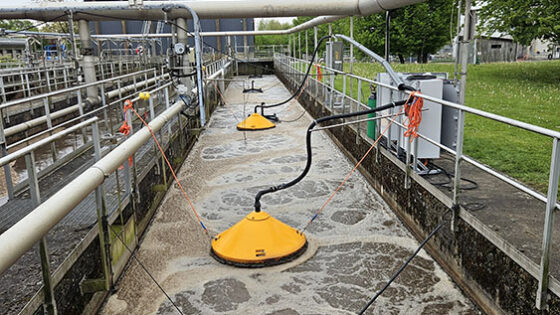
There are currently two N2O measurement systems in operation at the Ellinge WWTP
VA SYD has recently procured Upwater’s system for nitrous oxide measurements, but the German company Variolytics has also had two probes in operation at the Ellinge WWTP since the end of January.

Machine learning and mechanistic modelling of nitrous oxide emissions – presentation of two MSc thesis projects
Two MSc thesis projects focusing on machine learning and mechanistic modelling of nitrous oxide emissions from municipal wastewater treatment plants will be presented online on 2 and 3 June.
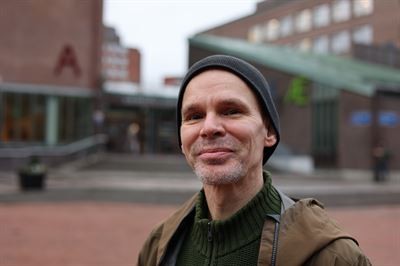
New nitrous oxide project at Chalmers University of Technology
Last week, researcher Frank Persson from Water, Environment and Technology at Chalmers was informed that his project proposal, “Microbial-based strategies to reduce nitrous oxide emissions from wastewater treatment: Insights from laboratory and full-scale systems”, has been awarded 554 000 Euro.
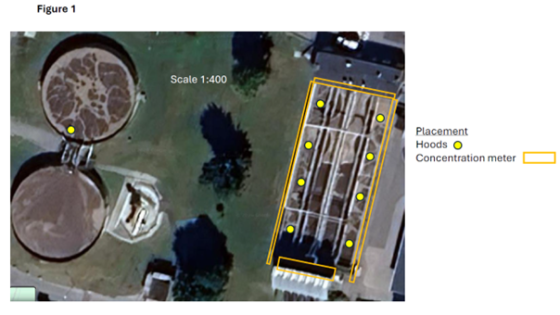
Measuring equipment procured for Ellinge Wastewater Treatment Plant
The Swiss company Upwater will supply a system for measuring the exhaust air from nine aerated zones at Ellinge Wastewater Treatment Plant.
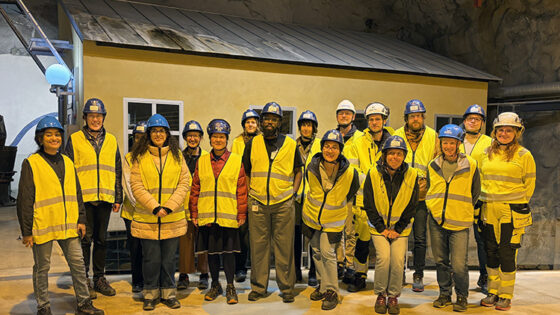
Community of Practice N2O meeting at Käppala WWTP April 21, 2026
CoP N2O Sweden held its fourth meeting on Tuesday 21 April, at Käppala WWTP.
The initiative’s first report published
During late autumn 2024 and spring 2025, the first project of this initiative was carried out with co-funding from the Impact Innovation program Water Wise Societies.

Measurement of nitrous oxide emissions at the Käppala Association
Käppala Wastewater Treatment Plant (WWTP), located on Lidingö in Stockholm, is Sweden's third largest wastewater treatment plant and receives municipal wastewater from approximately 554,000 population equivalents (2024). The plant is located underground, which means that all process air can be collected and directed to a chimney.
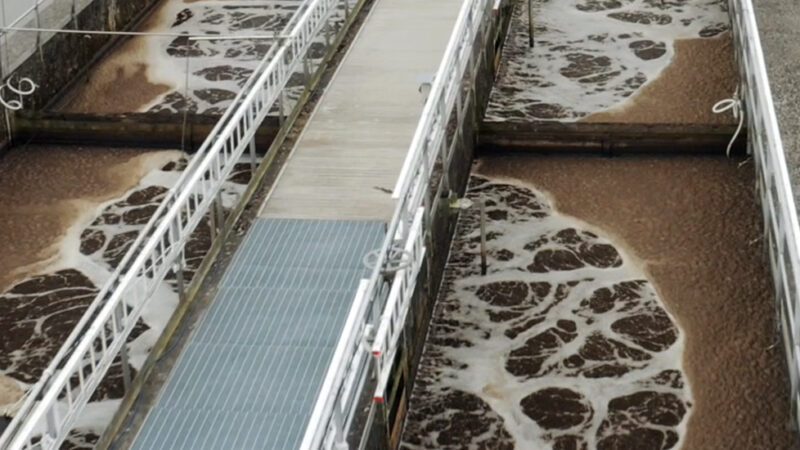
The initiative’s first report published
During late autumn 2024 and spring 2025, the first project of this initiative was carried out with co-funding from the Impact Innovation program Water Wise Societies.
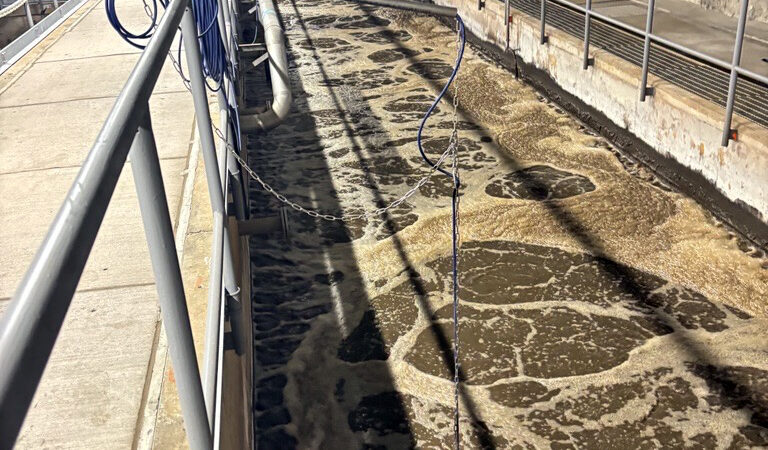
Measurement of nitrous oxide emissions at the Käppala Association
Efforts to reduce the climate impact at Käppala Wastewater Treatment Plant (WWTP). It is Sweden's third largest wastewater treatment plant and receives municipal wastewater from approximately 554,000 population equivalents (2024).
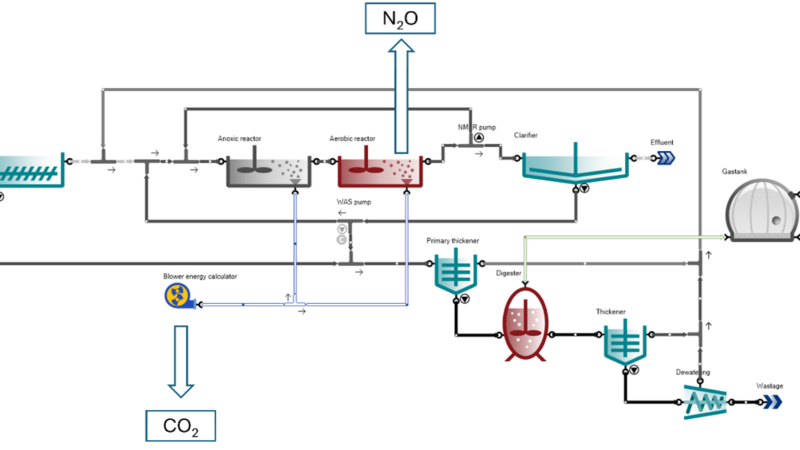
New project! DT-N2O - Quantifying and minimising nitrous oxide emissions at wastewater treatment plants with digital twins
The project will build a digital twin, an automated process model, for the Käppala Wastewater Treatment Plant (WWTP) in Stockholm. The twin is used to quantify and minimise greenhouse gas emissions (mainly nitrous oxide).