The proactive water and waste water organization
Digitization of the wiring networks can provide unique opportunities for the VA organizations to switch from a reactive to a more proactive approach in their operations. However, there is no given answer as to how this should happen, but they must here first understand what data they already have in order to be able to find out in the next turn how it should be used and what data needs to be supplemented.
Water quality in the pipe network
There is intensive sampling of drinking water at the treatment plants before the water is sent out into the pipe network. You also have good control of the water quality at the customer, but there is currently little knowledge of how the water changes along the way. It can take weeks from the time the water leaves the treatment plant until it reaches the most distant customers on the pipe network. It also means that, with new sensors and online measurement, it would be possible to quickly become aware of a sudden deterioration and have time to act, re-direct, before unserviceable water reaches the customer.
Planning tools and decision support systems
The pipe networks are connected from the water source via the treatment plant, distribution network out to the customer and then on to the waste water pipes towards the waste water treatment plant. Therefore, decisions and daily management need to take into account everything from climate and weather to customer behaviour. With the help of digitization and interconnection of these different chains, the water and waste water system can be operated more optimally and deliver higher quality. A subcategory consists of so-called blue-green solutions – how the city can manage a more uneven flow of rainwater by delaying and planning the water’s path so that floods and inundations are avoided.
Status assessment of pipes
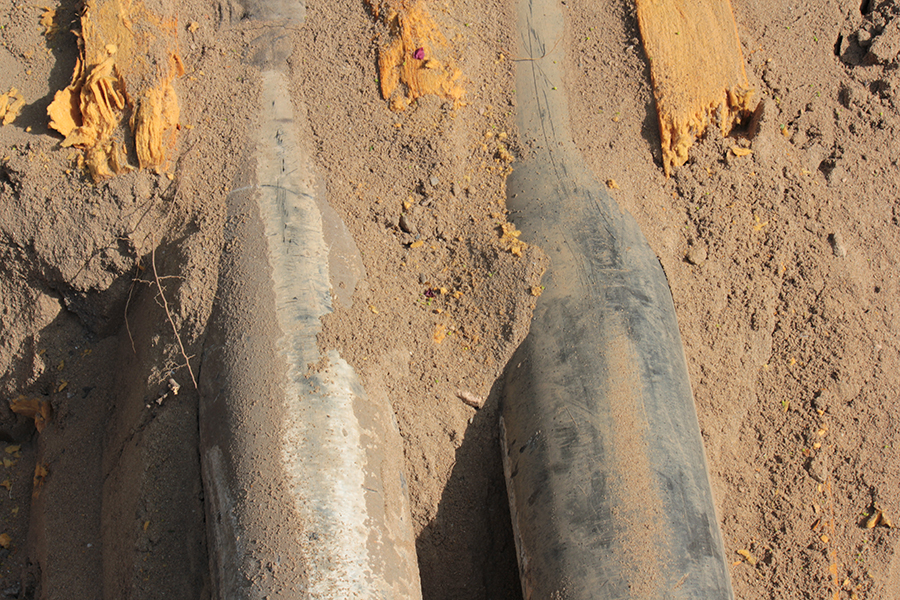
Put simply – which pipe will leak tomorrow? This is about increasing the availability of new methods for application. It can be about methods that examine the pipe, e.g. probes or cameras in the pipe, but also about methods that analyze the pipe through, for example, sound waves. More recently, people are looking more towards methods that, through assessments of existing data, can work out what condition a pipe is likely to be in. Leak detection is a subcategory where you try to find the pipes that leaked yesterday, but this can also be done with new methods such as AI models or using satellite.